Every so often a new recording arrives that makes you want to sit quietly at the keyboard and listen before you play a single note. The latest news from Deutsche Grammophon is one of those moments for me. Vikingur Olafsson is going back to Bach, and the result will be an album titled Continuum II.
What we know about Continuum II
According to the new-releases listings compiled this September, Continuum II is set for release on 13 November 2026 on Deutsche Grammophon. The album features Bach's original keyboard works, chorales and new personal transcriptions, and it was recorded in Iceland at the pianist's home studio, continuing Olafsson's lifelong homage to Bach.
That description tells you a great deal about how this pianist thinks. A programme that mixes original keyboard pieces with chorales and fresh transcriptions is not a tidy survey. It is a personal map, the sort of sequence a musician builds by living with the music for years and noticing which pieces speak to one another.
The home-studio detail matters
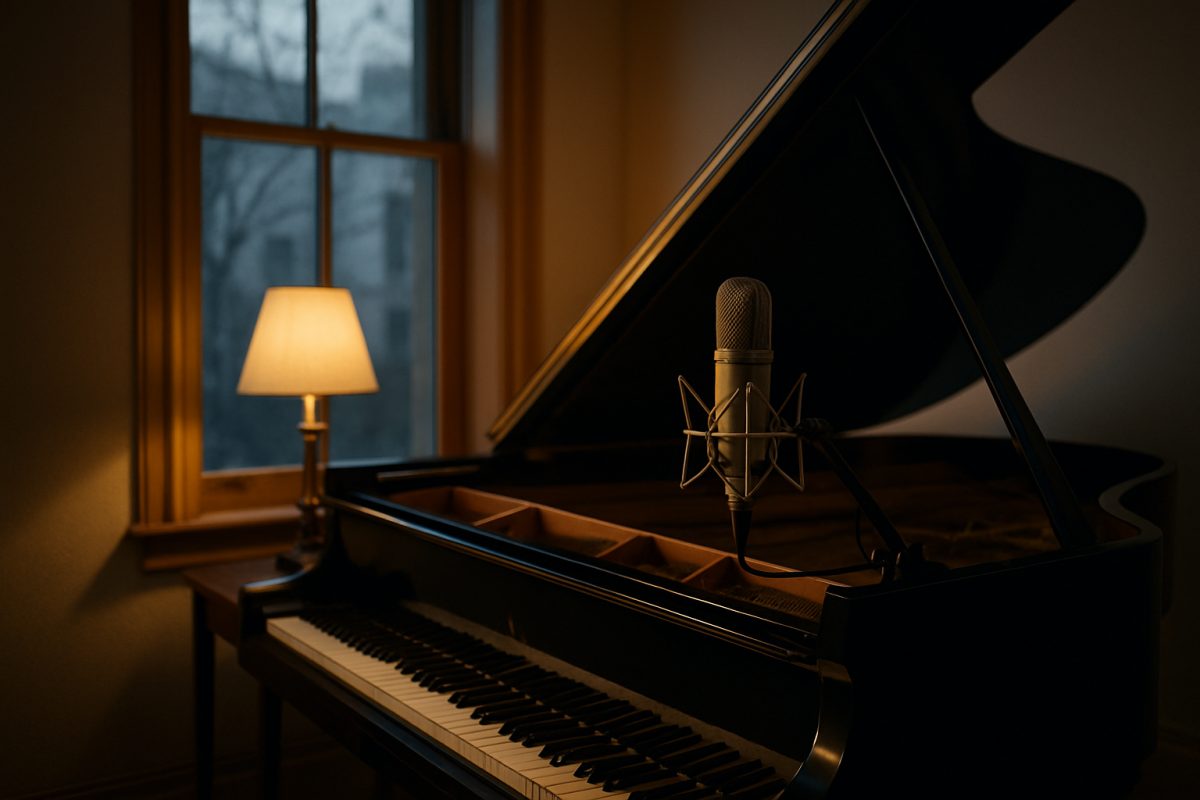
I keep coming back to one small fact: it was recorded at his own home studio in Iceland. There is an intimacy in that choice. Recording where you practise, where you can chase a phrase at midnight and start again the next morning, tends to produce playing that feels unguarded. Bach rewards exactly that kind of patience. His counterpoint is unforgiving of anything rushed, and it opens up beautifully when a player has the time and the quiet to let each voice find its place.
Why Bach, and why again
Olafsson built much of his reputation on Bach. Returning to a composer you are known for is a brave thing to do, because listeners bring memories and expectations. But Bach is not a destination you arrive at once. The music changes as the player changes. A transcription that felt like a curiosity ten years ago can suddenly feel essential. Naming this album Continuum is apt: it frames the record as part of an ongoing conversation rather than a finished statement.
For those of us who spend our working lives with this repertoire, the appeal of new transcriptions is obvious. A well-made transcription is an act of listening as much as arranging. It asks what a chorale or an organ line wants to become under ten fingers on a modern piano, and it can reveal harmonies you thought you already knew.
A note from my own bench
Bach sits at the centre of my own practice, both in solo recital and in chamber settings where his lines teach everyone in the room how to listen. When a major artist releases a thoughtful Bach album, it ripples outward: audiences arrive at concerts with fresh ears, students ask new questions, and programmers grow bolder. That is good for all of us who love the piano.
If this release stirs your curiosity about Bach at the keyboard, I would love to share that world with you in person. You can explore my upcoming concerts and recital programmes, or enquire about booking a performance, at yinghopiano.com. Chamber music, solo recital, an evening built around counterpoint and song: these are the conversations I most enjoy having with an audience.
Worth marking your calendar
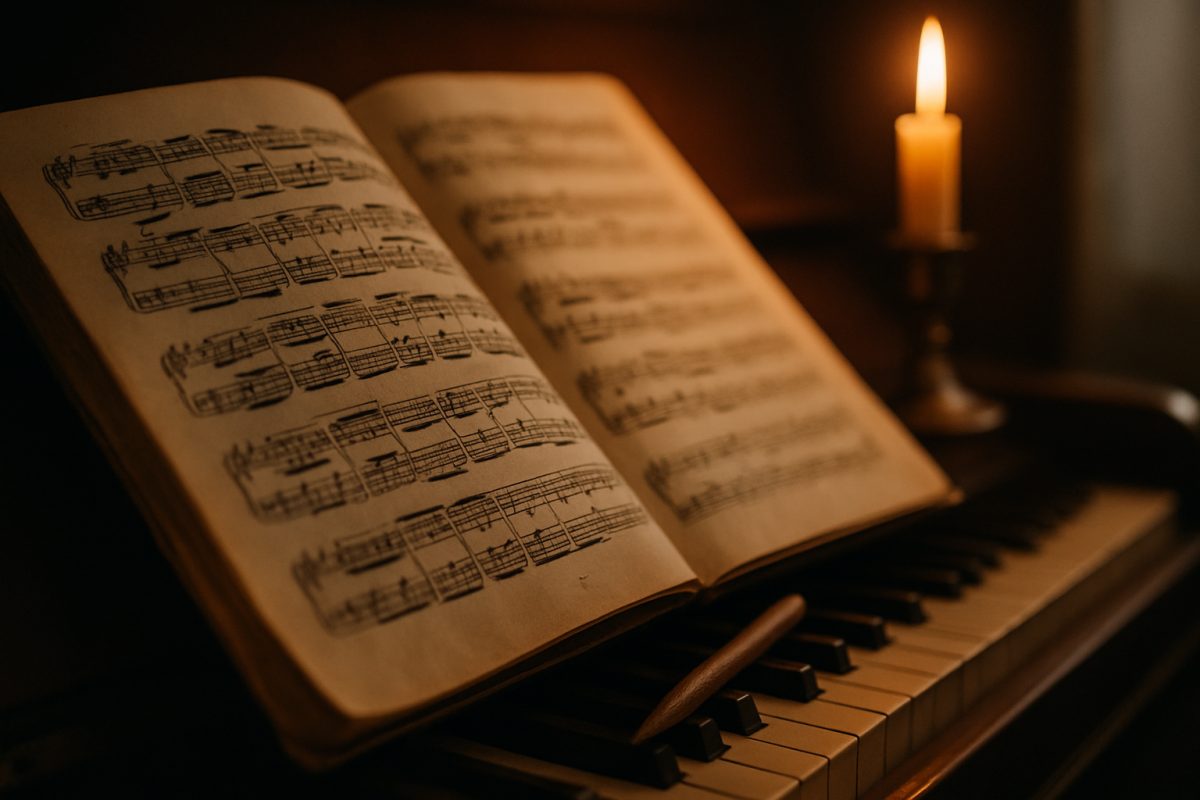
November is still some way off, and details may be filled in closer to the date. For now, the essentials are clear: a beloved pianist, a beloved composer, an intimate recording space, and a title that promises continuation rather than conclusion. I will be listening the day it lands, score nearby, ready to be surprised.