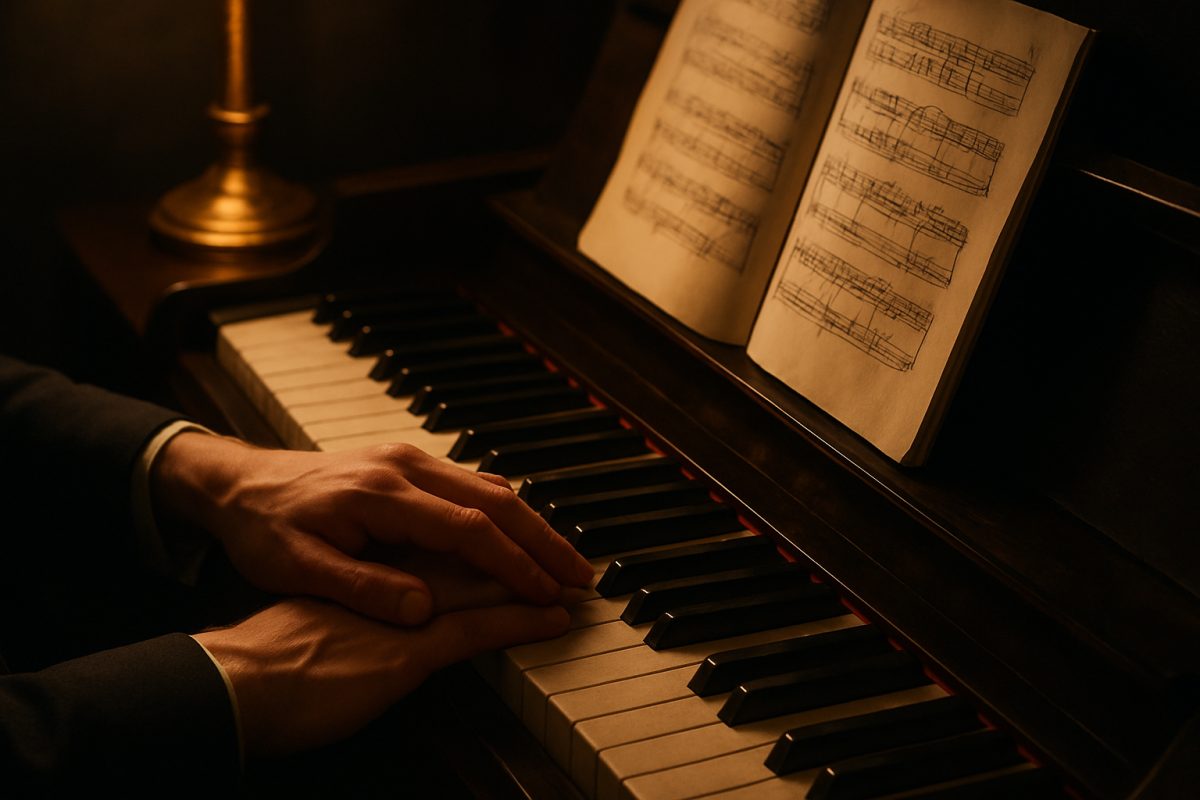
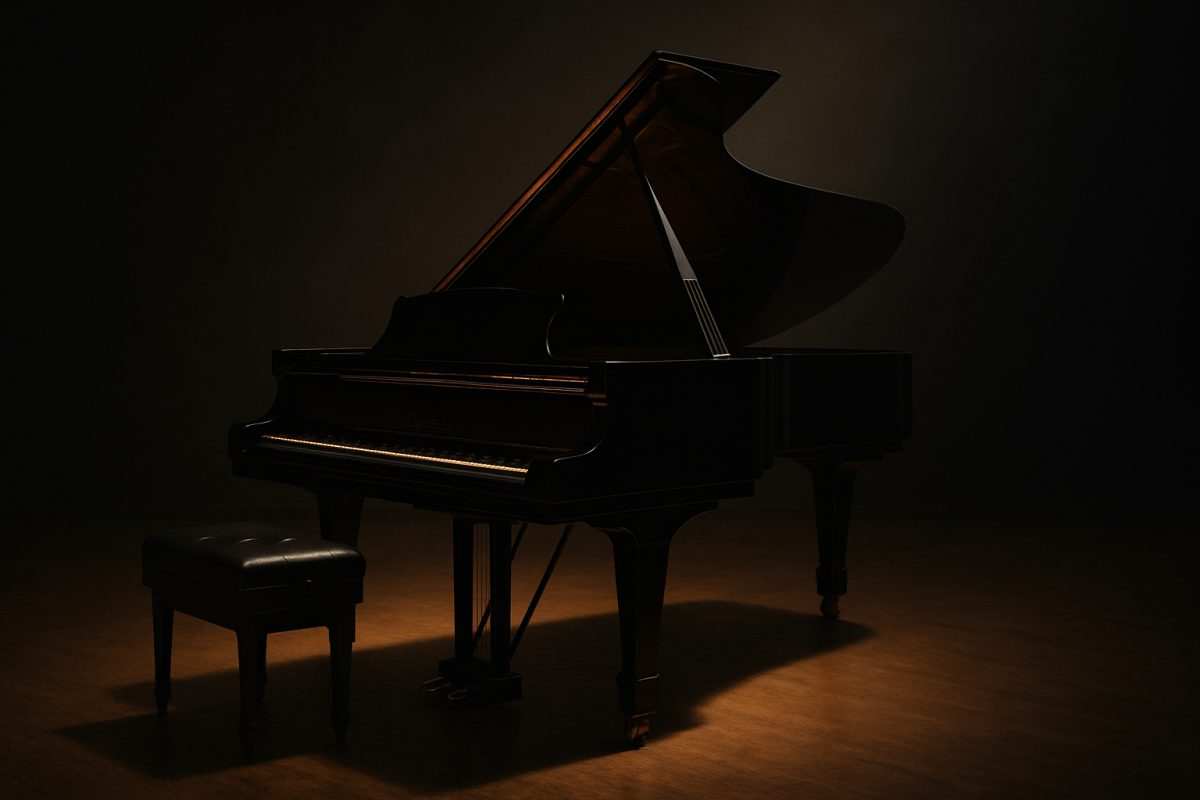
Every few years the piano world holds its breath for one particular name. The Arthur Rubinstein International Piano Master Competition has, since its founding, been one of those events that can quietly redirect a young artist's whole life. As a pianist who has lived through the strange mix of nerves and exhilaration that competitions bring, I always read the news of a new edition with a flutter of recognition. This year's story has an extra layer of meaning.
What just happened
The 2026 edition has now reached its decisive stretch. According to The Violin Channel, the recital rounds were completed and six finalists were chosen to advance to the final round. What makes this edition unusual is geography. The first two stages, normally held in Tel Aviv, were moved to the Casals Forum in Kronberg im Taunus, Germany, in light of ongoing security concerns in Israel.
The plan, as it stands, is for the music to return home. The final stages, including the chamber, classical concerto and grand concerto rounds, are set for Tel Aviv, with the final round scheduled for September 2026. Competitors were even asked not to plan other concerts until early June, a small detail that speaks to how much a competition like this asks of the people who enter it.
Why the Rubinstein matters
This is not a competition that crowns a winner on a single dazzling night. Held every three years in Tel Aviv since 1974, it was conceived in the spirit of Arthur Rubinstein himself, with Rubinstein chairing the jury for its first two editions. The roll call of past laureates reads like a map of modern pianism. Its renowned winners include Emanuel Ax, Gerhard Oppitz, Kirill Gerstein, Igor Levit, Khatia Buniatishvili, Boris Giltburg, Daniil Trifonov, and most recently Kevin Chen.
The 2026 jury is similarly serious. Chaired by Arie Vardi, it includes Martha Argerich, Daniel Barenboim, Yefim Bronfman and Pavel Gililov, among others. To play three rounds of demanding repertoire in front of that room takes a particular kind of nerve.
What the finalists face
The structure of the final stage is what I find most musically interesting, and most humane. Each of the six competitors will play a piano trio, a classical concerto with the Israel Camerata Jerusalem, and a grand concerto with the Israel Philharmonic Orchestra. The stakes are real too. The Gold Medal carries 40,000 US dollars plus a further 10,000 for the winner's career fund, with substantial sums for the silver and bronze medallists as well.
I want to underline that trio requirement, because it tells you what this competition values. A solo concerto shows off power and personality. A trio reveals something else entirely: whether you can listen, breathe with colleagues, and put the music above your own moment in the spotlight. That is the heart of chamber playing, and it is, for me, where a pianist's true character shows.
A few thoughts from the bench
It is easy to romanticise competitions and just as easy to dismiss them. The truth sits somewhere in between. A medal does not make an artist, and the absence of one does not unmake one. What a competition like the Rubinstein offers is a deadline, a stage, an orchestra, and a room full of ears that have heard everything. You either grow into that pressure or you learn something useful about yourself trying.
There is also something quietly moving about a competition that refuses to be cancelled, instead crossing borders so the music can go on. Artistic director Ariel Cohen described music as an anchor during fragile times, a way to keep going and stay connected. Whatever one's view of competitions, that sentiment is hard to argue with.
Bringing it home
For me, news like this is a reminder of why I keep returning to the recital stage and to chamber partners I trust. The repertoire these finalists are tackling, the trios and concertos, the long arc of building a programme, is the same living tradition I try to share in every concert. If you enjoy following the careers of young pianists on the rise, I would warmly invite you to come and hear that same music up close. You can explore my upcoming concerts or enquire about booking a recital or chamber programme through my site. Live, in a room, with no medals at stake, is still where music speaks most clearly.